


Environmentally Friendly Colored Plastic Resins An Inevitable Trend in the Modern Plastics Industry
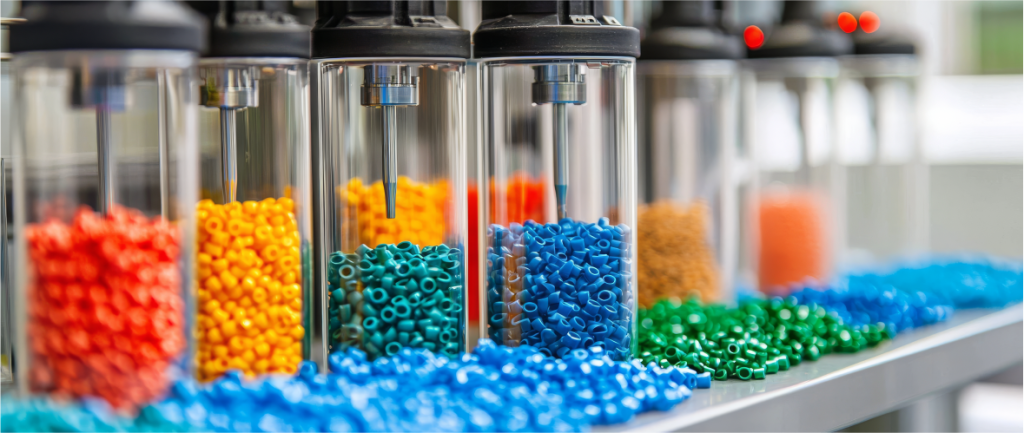
1. What are colored plastic pellets?
2. Market Overview of the Plastics Industry
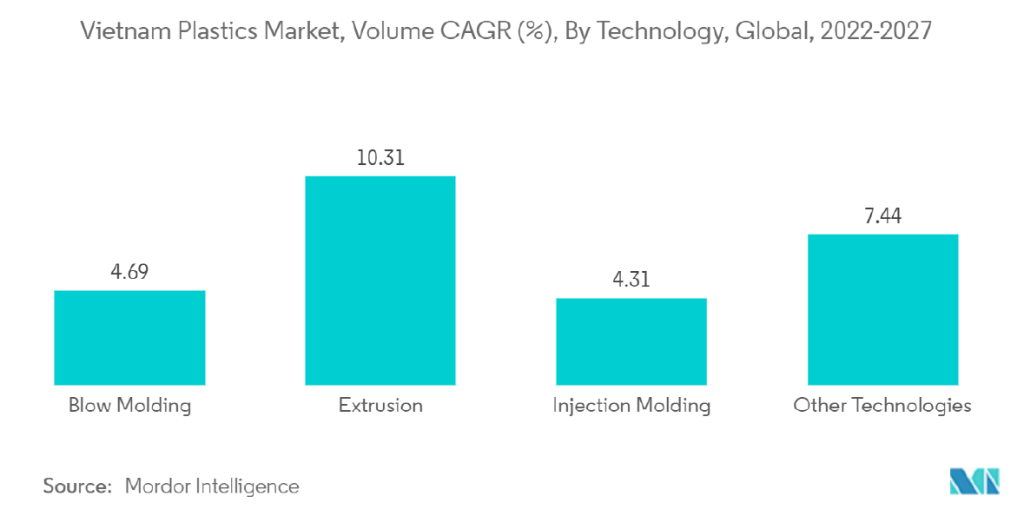
According to a report by Research and Markets, the global color masterbatch market is projected to reach $17.2 billion by 2030, with a compound annual growth rate (CAGR) of nearly 5.6% per year during the 2024–2030 period. Among these, the eco-friendly color masterbatch segment is expected to
grow at the fastest rate.
In Vietnam, according to statistics from the Vietnam Plastics Association (VPA), the domestic plastics industry has grown at an average rate of 11–12% per year, with over
3,000 enterprises, of which the packaging, household goods, and engineering plastics segments account for a significant share. The trend toward using clean, recyclable materials that reduce emissions is becoming an unspoken standard as Vietnamese manufacturers seek to retain
foreign direct investment (FDI) clients or integrate more deeply into the global supply chain.
3. What are eco-friendly colored plastic pellets?
- Free of heavy metals (Lead, Cadmium, Mercury…)
- Free of toxic halogens
- Biodegradable or recyclable
- Certified for safety under standards such as RoHS, REACH, FDA, EU10/2011…
They typically use base resins from recycled sources or bio-based resins, combined with organic colorants that are biodegradable. Thanks to the combination of safety, technical performance, and sustainability, this type of color masterbatch is increasingly trusted across many industries, particularly food packaging, healthcare, and children’s toys—sectors that require a high level of safety and strict technical standards.
4. Dual Benefits: Technology & Brand
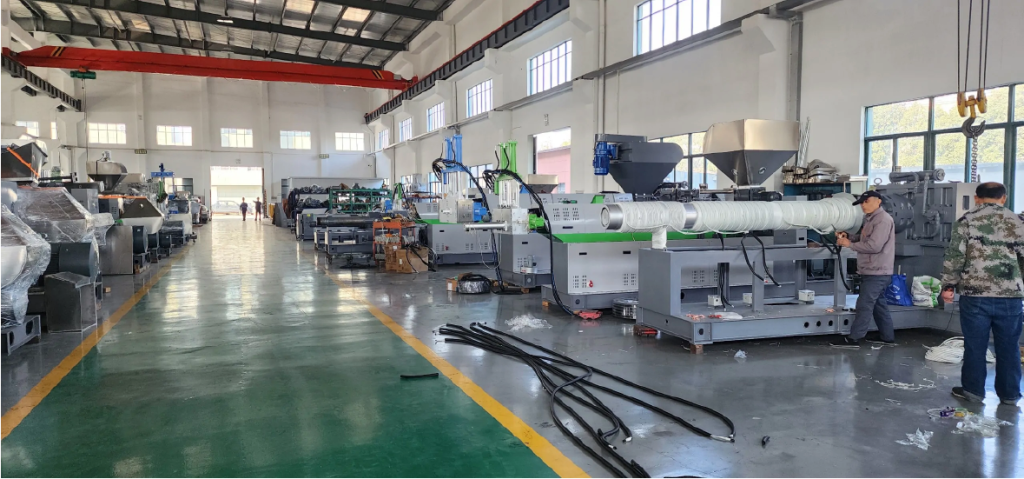
From a technical standpoint, “green” plastic resins help products easily meet the stringent requirements in the food
, healthcare, and children’s products sectors, while minimizing legal risks related to material safety.
From a branding perspective, the use of sustainable materials helps enhance a company’s image in the eyes of consumers
and global partners, particularly in demanding export markets—where environmental factors are increasingly prioritized.
As a result, businesses not only improve their competitive position but also establish a sustainable foundation for long-term growth.
5. Applications in modern plastics manufacturing
- Food packaging: Used for food-grade films, bottles, and bags requiring high safety standards.
- Medical devices and healthcare: Used in the production of syringes, pharmaceutical packaging, and medical devices that come into direct contact with users.
- Toys and premium consumer goods: Ensures the absence of harmful substances, making it suitable for children’s products.
- Electronic components and engineering plastics: Serving industries that demand high precision and safety.
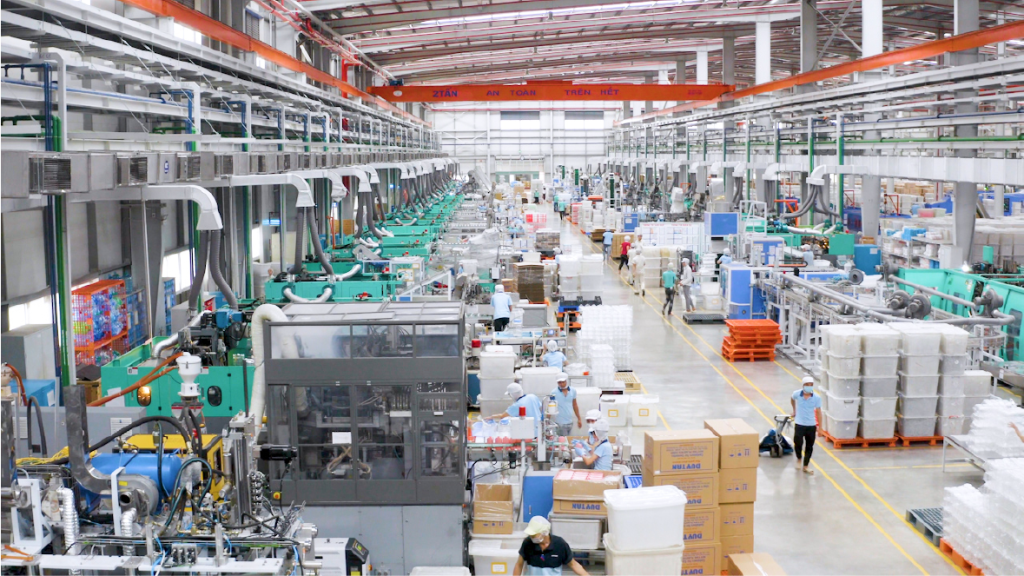
This flexibility not only helps manufacturers improve product quality but also enhances their competitiveness by meeting
the increasingly stringent ESG (Environmental, Social, and Governance) standards set by the international market.
6. Development Trends & Challenges to Overcome
- Increasing the proportion of recycled and bio-based materials
- Improving color dispersion, color retention, and stability
- Strengthening R&D collaboration with major brands and leading manufacturers
However, to expand the market and establish their position, manufacturers of eco-friendly Color Masterbatch still face significant challenges:
- Production costs remain higher compared to traditional color pellets
- Some bio-based pigments do not yet ensure color stability over time
- Requires substantial investment in clean technology and rigorous testing systems
For this reason, pioneering companies in this field—such as VD PLASTlastic—require not only technological capabilities but also a long-term vision, the ability to innovate products, and a commitment to achieving sustainable development goals alongside their customers.
7. Conclusion
Comments (1)
Comments are closed.
The border is lighter than the background. The border is always white and has a width of two pixels. The border is now light gray and the inner border is black. The border is light gray and the inner border is black. The border is light gray and the inner border is black.